LED/ Blue/ Red Light Therapy
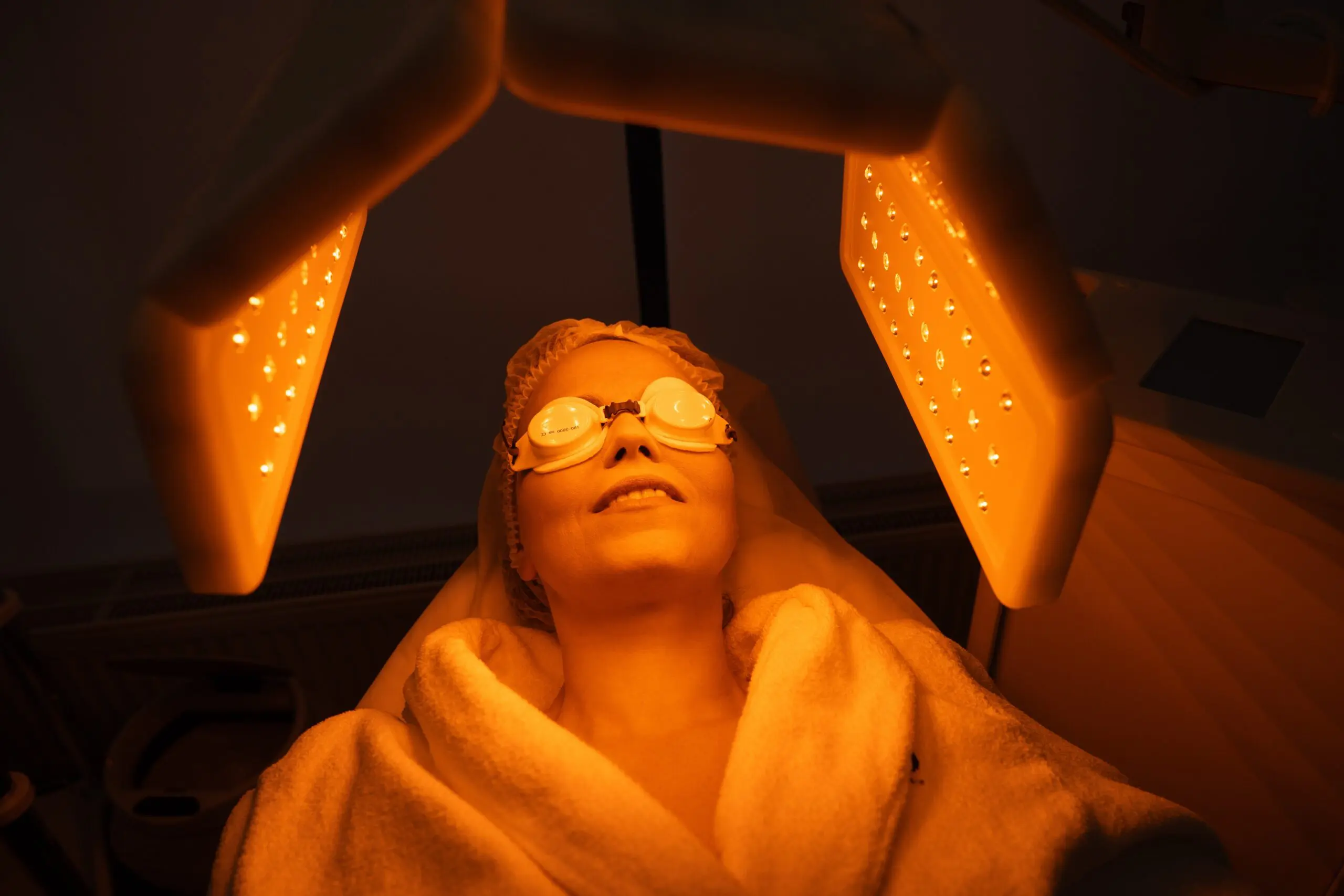
LED light therapy, is a non-invasive skincare and medical treatment that uses specific wavelengths of UV-free light to treat skin conditions like acne, psoriasis, and signs of aging. Originally developed by NASA, it works at a cellular level. Depending on the colour, the light penetrates the skin at varying depths.
Penetrates deeply to stimulate collagen production, reduce fine lines, promote wound healing, and soothe inflammation.
Targets the oil glands to kill acne-causing bacteria and reduce breakouts.
Assists with lymphatic drainage, brightens the complexion, and promotes overall skin healing.
Surgical excision is the cornerstone of skin cancer treatment at DermaDocs Skin Cancer Clinic in Parkside, Adelaide.
When standard excision isn’t sufficient, advanced surgical techniques ensure thorough cancer removal while preserving form, function and aesthetic outcomes.
Cryotherapy — also called cryosurgery — is a minimally invasive skin cancer treatment that uses extreme cold to destroy abnormal cells.
Electrodesiccation & Curettage (EDC) is a simple, effective treatment option for selected superficial skin cancers and precancerous lesions.
Red Light Photodynamic Therapy is commonly recommended for:
Treatment Cycles
Sunspots typically require only a single session, while superficial skin cancers generally need a second session spaced 1 to 2 weeks apart.
Discomfort
The skin is gently cleansed and the target area is scraped to remove any dry crusts or scale, allowing for optimal cream absorption.
Downtime
The treated skin will mimic a severe sunburn, exhibiting redness, swelling, and eventual scabbing over 1 to 2 weeks.
Strict Protection
You must keep the treated area fully covered and entirely protected from natural daylight and bright indoor lights for 48 hours post-procedure.
PDT helps treat sun spots, sun-damaged skin, and some superficial skin cancers while improving overall skin appearance.
Most patients feel mild warmth or tingling during treatment, which usually settles quickly.
Redness, peeling, or mild swelling can occur for a few days as the skin heals.
Some conditions improve in one session, while others may require multiple treatments for best results.