
Electrodesiccation & Curettage
Electrodesiccation & Curettage (EDC) is a simple, effective treatment option for selected superficial skin cancers and precancerous lesions, offered by clinicians at DermaDocs Skin Cancer Clinic in Parkside, Adelaide. This minimally invasive procedure is ideal for appropriate basal cell carcinomas (BCCs), squamous cell carcinomas in situ (SCCIS) and other surface-level lesions.
Electrodesiccation & Curettage — sometimes called curettage and cautery — is a dermatologic procedure used to remove superficial skin cancers and small abnormal lesions. It combines two steps:
Unlike surgical excision, EDC does not involve stitches and is usually performed in-clinic under local anaesthetic.
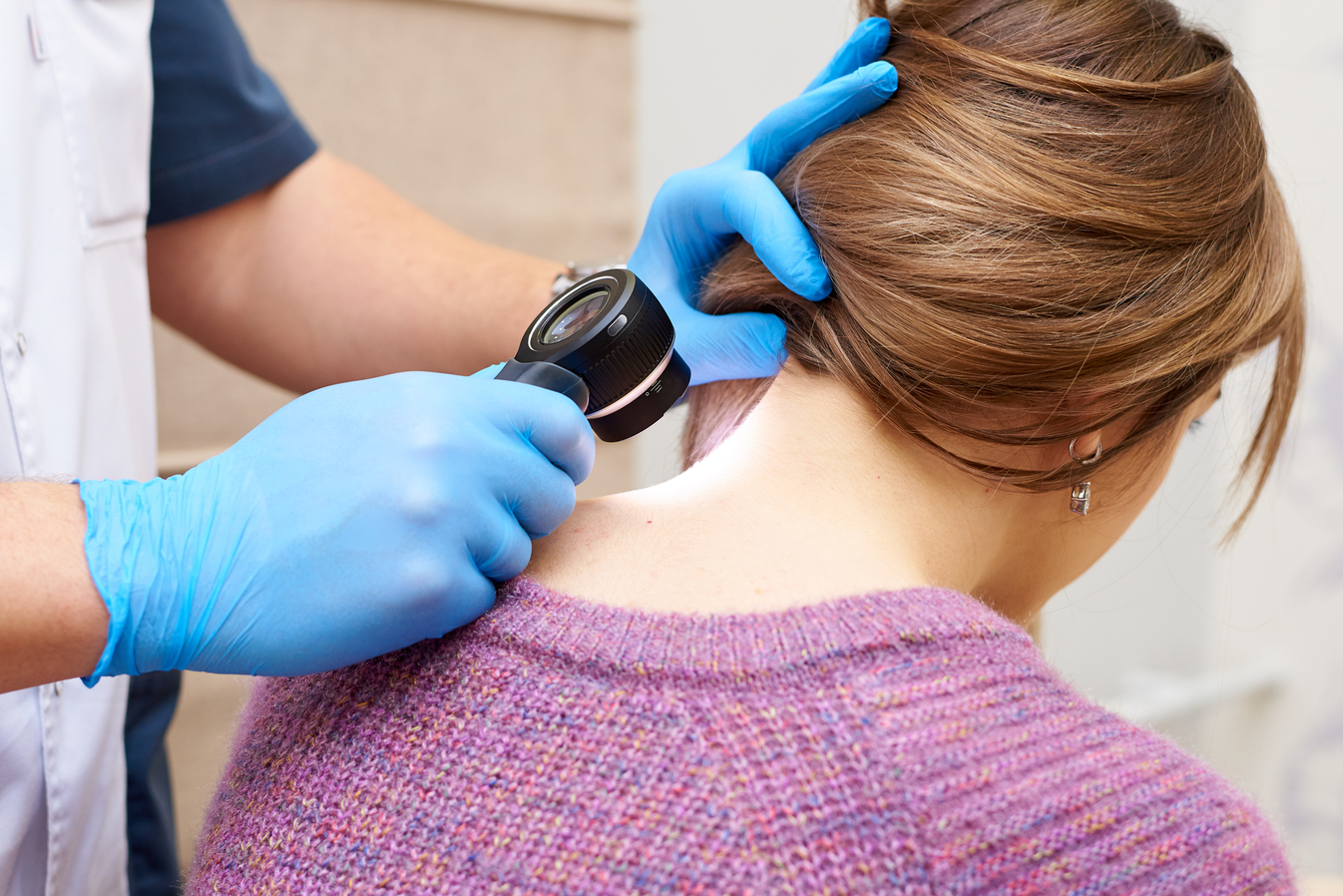
The treated area is then dressed and patients are given wound care instructions. Healing typically occurs over several weeks.
Electrodesiccation & Curettage is commonly recommended for:
✔ Superficial basal cell carcinomas (BCCs)
✔ Squamous cell carcinoma in situ (Bowen’s disease)
✔ Selected precancerous lesions
✔ Some benign growths — as assessed clinically
Unlike deeper or high-risk skin cancers, these surface lesions are well suited to EDC because they are confined to the top layers of the skin and respond well to superficial removal.
Important: EDC is not recommended for aggressive or deeply invasive skin cancers or for tumors in high-risk anatomical areas such as around the eyes. In such cases, surgical excision or other advanced treatment options may be advised by a specialist.
Surgical excision is the cornerstone of skin cancer treatment at DermaDocs Skin Cancer Clinic in Parkside, Adelaide.
When standard excision isn’t sufficient, advanced surgical techniques ensure thorough cancer removal while preserving form, function and aesthetic outcomes.
Cryotherapy — also called cryosurgery — is a minimally invasive skin cancer treatment that uses extreme cold to destroy abnormal cells.
Red Light Photodynamic Therapy (PDT) is a non-surgical clinical treatment used to eliminate precancerous cells and specific shallow skin cancers.
LED light therapy, is a non-invasive skincare and medical treatment that uses specific wavelengths of UV-free light to treat skin conditions like acne, psoriasis, and signs of aging.
EDC offers several benefits for appropriate cases:
Minimally invasive outpatient procedure — no hospital stay required.
Quick treatment — completed during a standard clinic visit.
Effective clearance for low-risk lesions when selected carefully.
No sutures required, which can simplify recovery.
Many studies show that when used on small or low-risk non-melanoma skin cancers, EDC can achieve high cure rates comparable to more invasive methods in selected lesions.
After EDC
Your DermaDocs clinician will provide personalised aftercare instructions and plan for future skin checks to monitor your overall skin health.
No — local anaesthetic ensures patient comfort during the procedure.
Healing usually takes a few weeks; your clinician will advise on wound care and follow-up.
EDC may be suitable for selected low-risk facial lesions, but deeper or high-risk cancers are usually treated with excision or Mohs surgery for optimal outcomes.